

Technical Article
What is Owner’s Engineering?
Picture this: you own and operate a successful regional bakery. Business is going well, but rising power prices are pushing up your cost of goods sold, and your main production facility experiences regular, expensive outages. You decide that a solar and energy storage system is a worthwhile investment. But you’ve got a lot riding on this, and zero relevant experience. You’re an expert baker, after all, not an electrical engineer. Ideally, you would have an independent expert to support the development process and minimize risks wherever possible. Who do you turn to for help? You need an owner's engineer.
In this article, we'll use our experience as owner's engineers to describe the core competencies and typical services provided.
Who are Owner's Engineers?
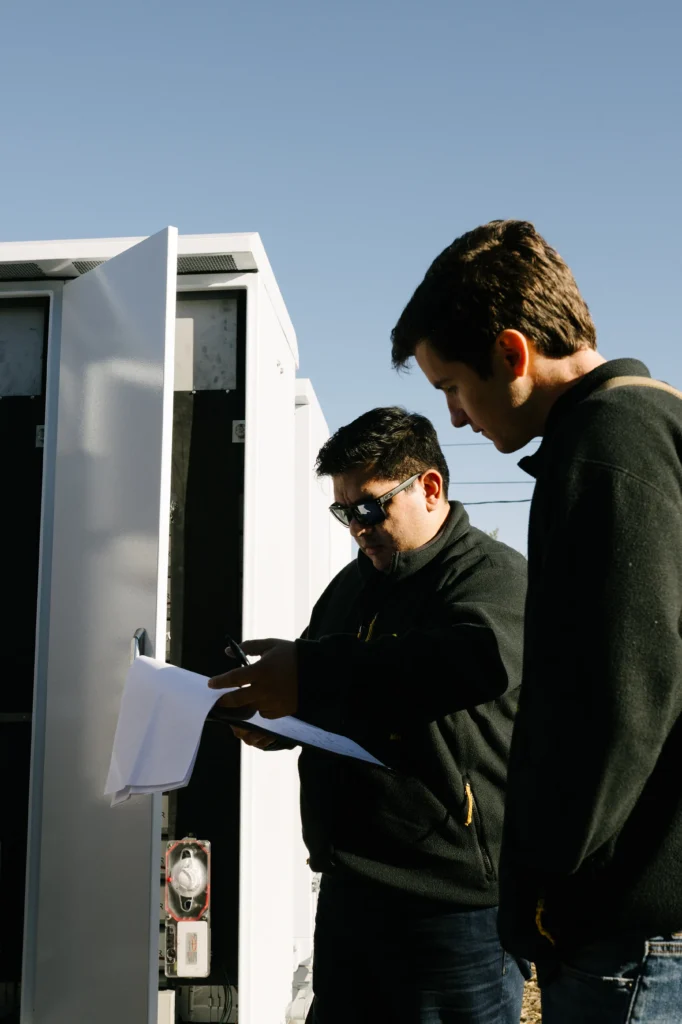
Owner’s engineers (OEs) are third-party advisers hired by the system owner to protect and advance the system owner's interests. The bakery owner knows they want a system that will be code-compliant, high-performing, and built to last. The OE knows how to make that happen, and how to validate that other project stakeholders are acting accordingly.
Owner’s engineers are technical stewards who provide expertise and guide project development. The OE is an overseer, not directly responsible for system design or construction, but capable of reviewing technical documentation and field installations and providing feedback from the system owner's perspective.
The bakery owner hires a local developer with extensive solar experience, but only a few battery projects under their belt. The OE fills the knowledge gap and offers revisions to the electrical design that may improve utility interconnection acceptance.
Owner’s engineers are risk managers, ensuring the project is developed as smoothly as possible with as little risk to the project owner as possible. The bakery owner views their solar-plus-storage system as a significant investment in a 30-year asset. Their future balance sheets depend on this project happening on time and on budget. The OE understands the best practices to avoid late-stage redesigns and other potential cost overruns.
What do Owner's Engineers do?
An OE may become involved at any stage of a project. An OE’s scope is based on their experience and ability to provide expertise for a particular subject. Generally, the more complicated or costly the project, or the more performance and longevity matter to it, the more value an OE can provide. A few examples of Mayfield Renewables OE services include the following:
Code Compliance Reviews
Meeting electrical, structural, fire, and other code requirements is great, but not enough for true system longevity. An experienced OE will not only be able to catch non-compliant design or installation issues, but also point to opportunities to go beyond baseline requirements to optimize the system for long-term durability and performance.
For example, at the surface inspection level, cable ties should be appropriately rated for their environment. An installer could select a cable tie with a seven-year expected lifespan and pass an inspection.
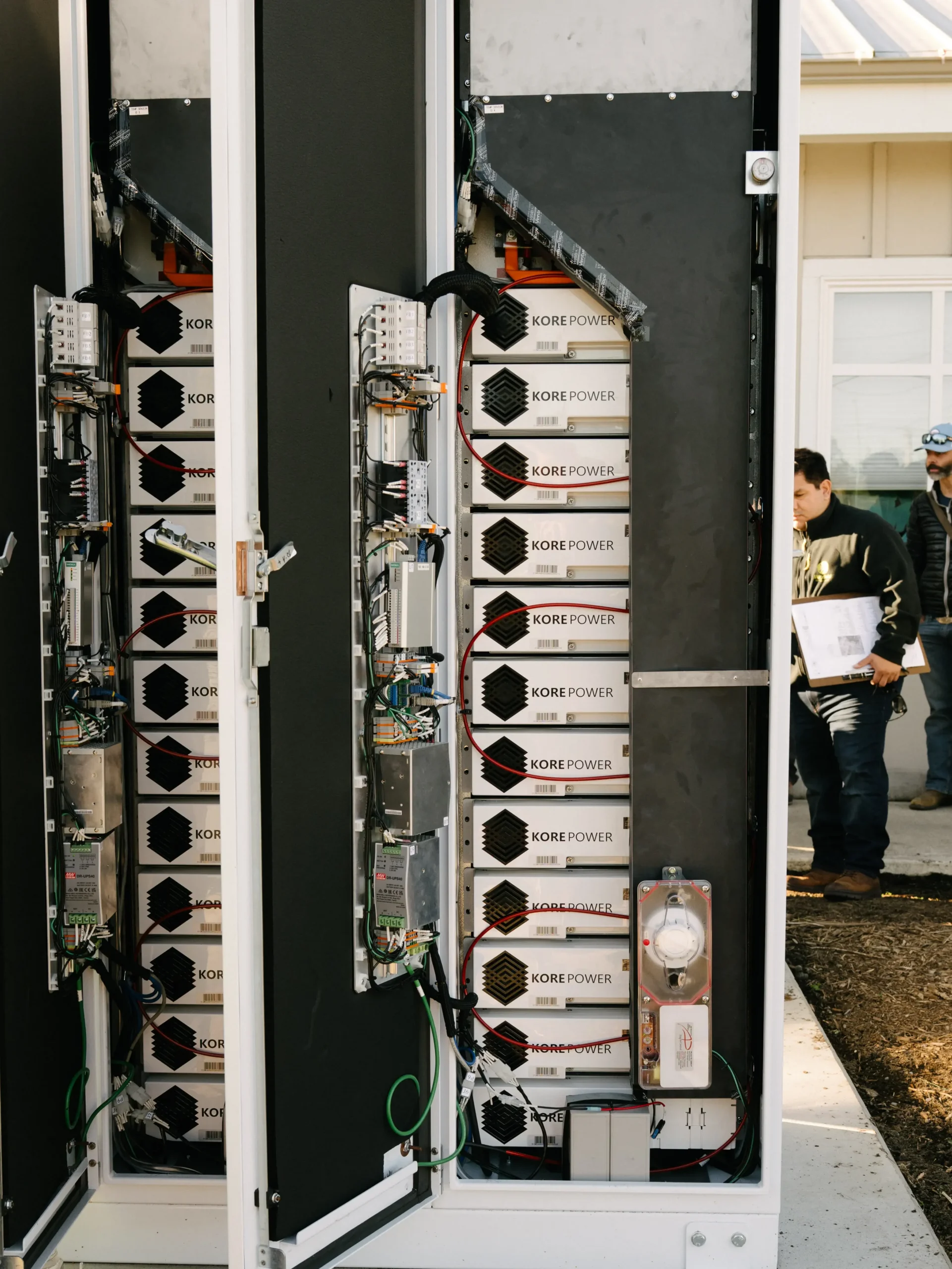
But the OE will understand that the system is meant to operate for a full 25 years, and O&M cost trade-offs should be considered. Those compliant cable ties will need to be reinstalled at least three or four times. Was that additional operational cost factored into the system owner's calculations?
Documentation Reviews
There is a long paper trail for just about any project. Documents often change hands amongst a wide range of stakeholders, and the OE can act as the system owner’s personal resource for reviews. The OE may provide independent analysis of everything from single-line drawings and site layout plans to equipment schedules and specification sheets. The OE is the ultimate backstop to ensure all relevant documentation meets the owner’s intent.
Larger organizations might even have internal development guidelines that serve as the “code” all stakeholders must comply with. In those situations, the OE would become familiar with the system owner’s standards and review project documentation through that lens.
Site Visits
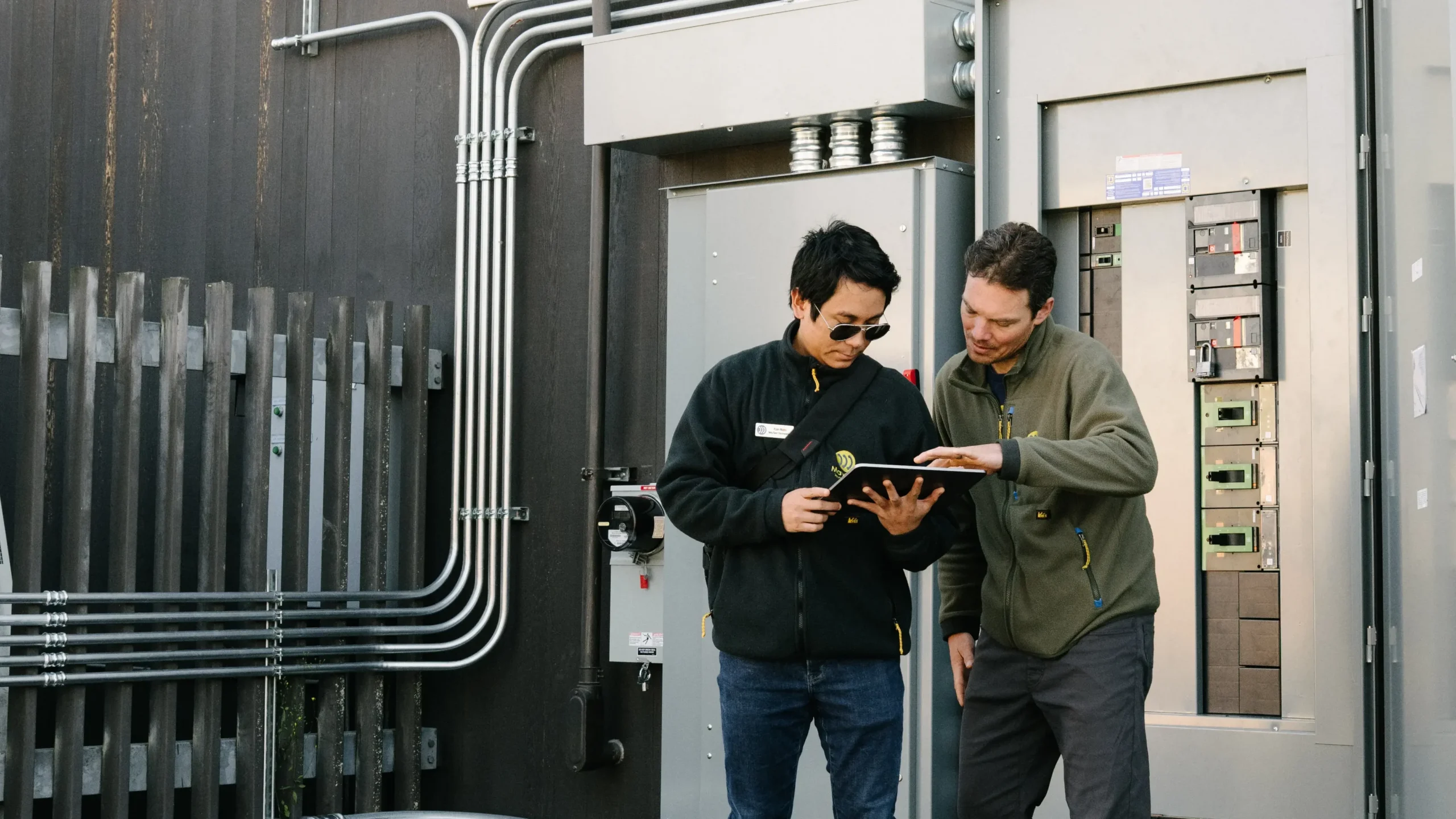
Some things are impossible to know until you send an expert on site. Photos and as-built drawings will only get you so far. Site visits are common at various stages of a project.
At the project’s onset, a site visit is often worthwhile to better assess the existing infrastructure and get an early sense of any size, space, or interconnection limitations. Once PV installation begins, an OE may perform a Golden Row inspection to review the first “fully installed” section of the array for workmanship, safety, or compliance issues. Later, upon Mechanical Completion, the OE may conduct a final inspection to ensure that any lessons learned from the Golden Row inspection have been addressed.
Unbiased Technical Support
To put it simply, the OE is the expert extension of the system owner’s interests. There may be other pieces of a project that need an extra set of eyes or an objective opinion. The OE might be called upon to guide the developer through system optimization options, to talk the AHJ through code-compliance strategies, or to engage in any number of technical conversations. The bakery owner has many other urgent responsibilities and areas of expertise. The OE is there to have their back and provide an extra layer of risk reduction.
Mayfield Renewables is an engineering consultancy specializing in commercial and industrial PV and microgrid engineering, including owner’s engineering services. If you're ready to take the next step in ensuring the success of your project, consider partnering with our team of experts. Don’t leave your investment to chance; contact us today to learn how we can help turn your vision into reality with confidence and precision!
-