

Technical Article
When Does a Renewable Energy Project Need Owner’s Engineering Support?
Introduction
Understanding what Owner's Engineering is only answers half the question. The harder part for a system owner is knowing exactly when to bring that expertise into a project. Renewable energy assets are built to perform for 25 to 30 years, and the decisions made in the first few months of a project can lock in risks that surface much later, long after the original design team has moved on.
Every solar and storage project reaches specific moments where an independent, owner-aligned perspective changes the outcome. These moments are not random; they cluster around technical complexity, financial tradeoffs, and construction milestones where mistakes are expensive to address late and cheap to address early. Recognizing these triggers gives a business owner a practical way to decide when outside engineering support earns its cost.

When Integrating Battery Energy Storage (BESS)
Adding a BESS to a solar project introduces technical complexity beyond adding another piece of equipment. A BESS creates new interfaces across electrical, mechanical, and SCADA systems, and each interface is a place where an incompatibility or a safety failure can occur without the right oversight. An Owner's Engineer manages those interfaces, confirming the battery system, inverters, and site controls are all working from the same operating assumptions.
This matters because BESS failures rarely stay contained to the battery itself. A mismatch between the battery management system (BMS) and SCADA can cause unpredictable behavior under load. A thermal management design that was not designed for the site's climate can shorten the battery's service life well ahead of schedule. These issues do not surface in a basic equipment inspection, and they are exactly what an Owner's Engineer is positioned to catch before they become expensive problems.
During Early Feasibility and Site Layout Verification

Most of the risk on a renewable energy project gets locked in far earlier than most owners realize. By the time a project reaches construction, technical risk does not disappear, it simply changes form, which means the decisions made during feasibility and site layout are the ones that determine how much risk the rest of the project will carry. Yield assumptions, site constraints, and grid interconnection strategy are all set during this phase, and any flaw introduced here tends to stay hidden until it is far more expensive to fix.
Bringing an Owner's Engineer in at the feasibility stage means someone independent is checking those assumptions before capital gets committed to them. A site that looks viable on paper can still carry a fatal flaw in shading analysis, soil conditions, or interconnection capacity, and catching that flaw before design work begins can save a project from a redesign that would otherwise happen months into construction. The earlier an Owner's Engineer is involved, the more of the project's total risk they are actually in a position to influence.
When Balancing Low Upfront Contract Costs with 25-Year Longevity
As a project moves from development to procurement, the biggest risk shifts from technical assumptions to contract structure. An Owner's Engineer supports this phase by preparing or reviewing Employer's Requirements, supporting tender evaluations, and reviewing EPC, Balance of Plant, and battery supply contracts, assessing performance guarantees, warranties, and liquidated damages along the way. That review matters most when an owner is weighing a cheaper contract structure against one that costs more upfront but carries less long-term risk, since this input helps developers and IPPs balance cost certainty with flexibility, particularly where multiple contractors or split contract structures are involved.
This tradeoff shows up in small ways on site, not just in contract language. A contractor meeting the letter of a spec is not the same as a contractor building for the climate a system actually sits in. UV resistant zip ties, for example, may satisfy what a contract calls for, but that does not make them the right choice in a hot climate like Texas, where the wrong material shortens the usable life of a wire management system well before the rest of the array needs attention. Meeting code and meeting a contract are the floor, not the target, and an Owner's Engineer is the one checking whether that floor is actually enough for a system meant to run for 25 years.
At Critical Construction Milestones
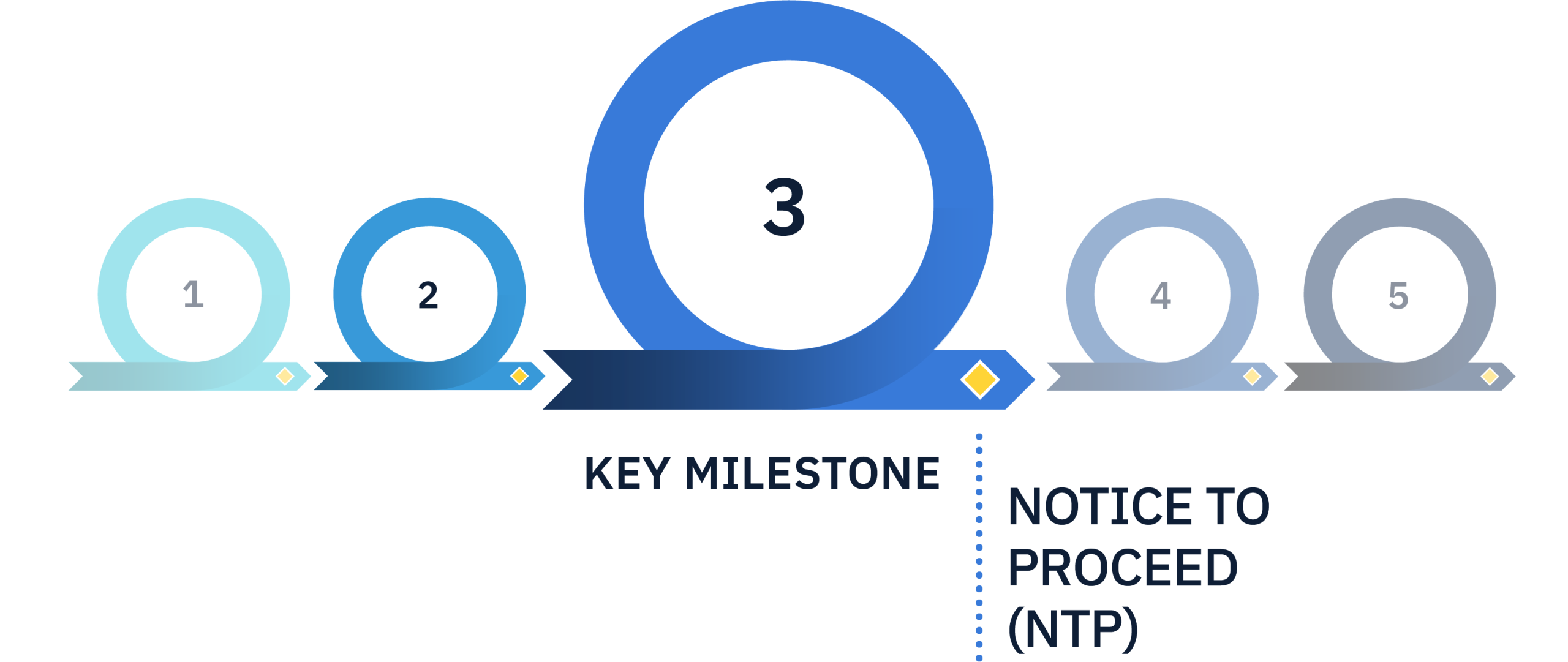
The construction phase is when a well reviewed design gets put to the test, and when an owner benefits most from having an independent expert onsite. A golden row inspection, where the first completed section of an array is checked before the rest of the site follows the same pattern, catches workmanship errors while they are still isolated to a handful of modules instead of duplicated across an entire project. The same logic applies to a mechanical completion inspection once the golden row has been signed off, confirming the rest of the installation actually matches what was approved.
Independent site inspections during this phase exist to catch the kind of deviation that a paperwork review alone would miss. Compliance with standards like AS/NZS 3000 and AS/NZS 5139 covers incorrect cable derating and similar issues, and when a deviation like that turns up, an Owner's Engineer documents it and works with the contractor on a fix rather than letting it slide because the project is already behind schedule. Meeting code is the baseline, and a site visit is often the only way to evaluate a project’s compliance, since a contractor's own reporting rarely surfaces its own shortcuts.
Conclusion: Upgrading from Passive Risk-Checking to Active Value Optimization
Each of these triggers points to the same idea: an Owner's Engineer is not a formality for satisfying a lender, but a technical partner protecting the system owner's interests at the moments that actually shape the outcome, whether that is battery storage integration, site layout decisions, contract structure, or construction milestones. For a business owner without in-house engineering expertise, treating the role as an active partner rather than a passive gatekeeper is what determines whether a solar or storage project performs the way it was supposed to for its full 25- to 30-year lifespan.
Mayfield Renewables is an engineering consultancy specializing in commercial and industrial PV and microgrid engineering, including owner’s engineering services. If you're ready to take the next step in ensuring the success of your project, consider partnering with our team of experts. Don’t leave your investment to chance; contact us today to learn how we can help turn your vision into reality with confidence and precision!
-